Cambodian silk, also known as golden silk (CGS), is a unique and distinctive product with a long history dating back to the 13th century. The silk production industry faced significant challenges during the Khmer Rouge regime, which almost led to its extinction. However, after the genocide, silk production slowly resumed, and the government developed a Cambodia National Silk Strategy (2014-2018) to revitalize the industry. Key measures taken to revive the Cambodian silk industry include:
- Sericulture: Focusing on the production of raw silk, yarn production, and weaving.
- Product and market development: Strengthening the value chain and promoting the unique qualities of Cambodian silk.
- Capacity development: Enhancing the skills and knowledge of farmers and artisans involved in the silk production process.
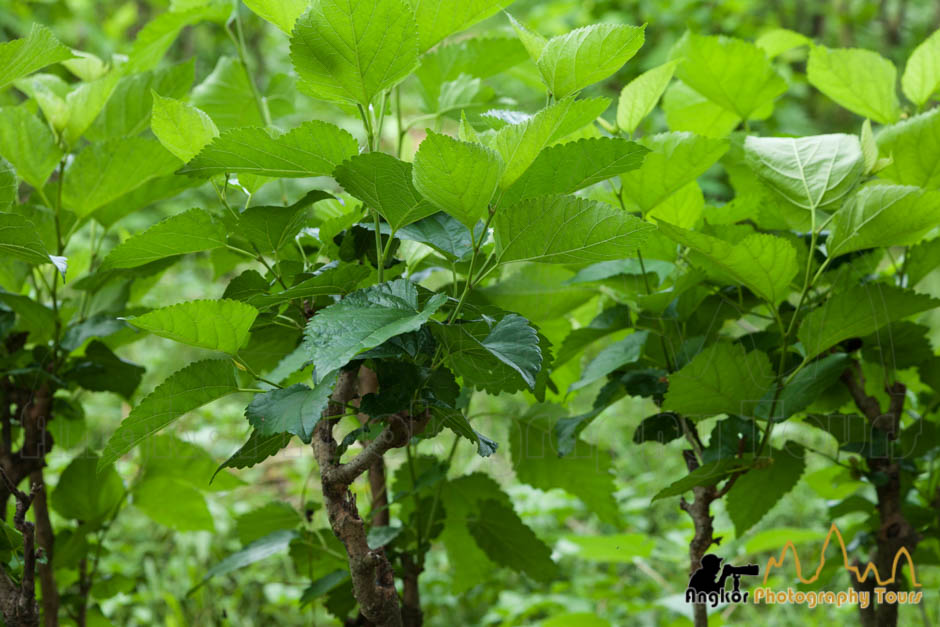
Despite these efforts, the silk production industry faced a significant drop in yield, from 5 tons in 2005 to less than 1 ton in 2014, due to challenges in cultivating silkworms and maintaining mulberry plantations. This decline has led to a reliance on imports from China and Vietnam, which account for more than 300 tons a year. The Cambodian silk industry is worth saving due to its unique color and quality of thread. The government’s strategy aims to reduce poverty, benefit women, and promote the sector’s growth. The silk production process involves raising silkworms, harvesting silk thread, and processing it into high-quality yarn for weaving. The knowledge of raising silkworms and processing silk has been passed down through generations, mainly by women.
Comprehensive Guide to the Silkworm Life Cycle
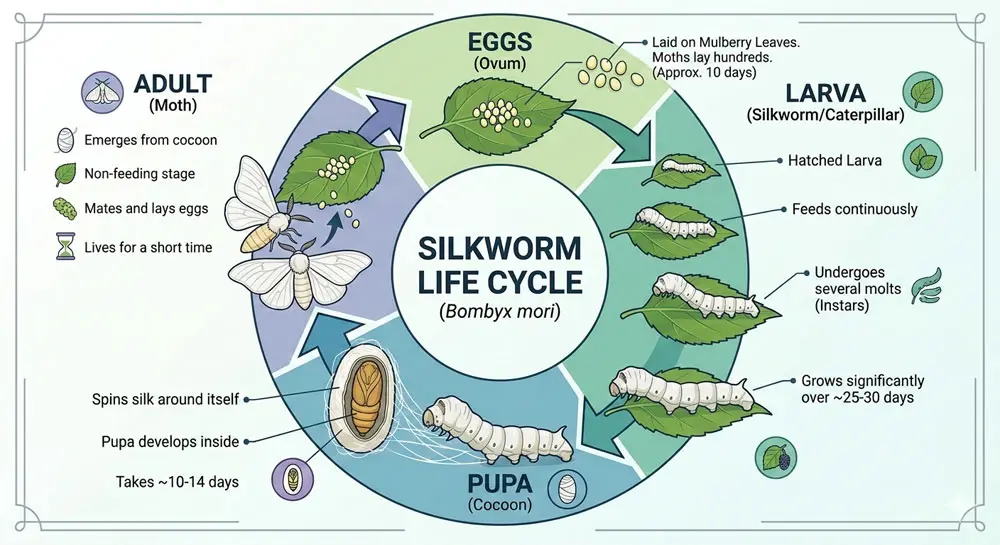
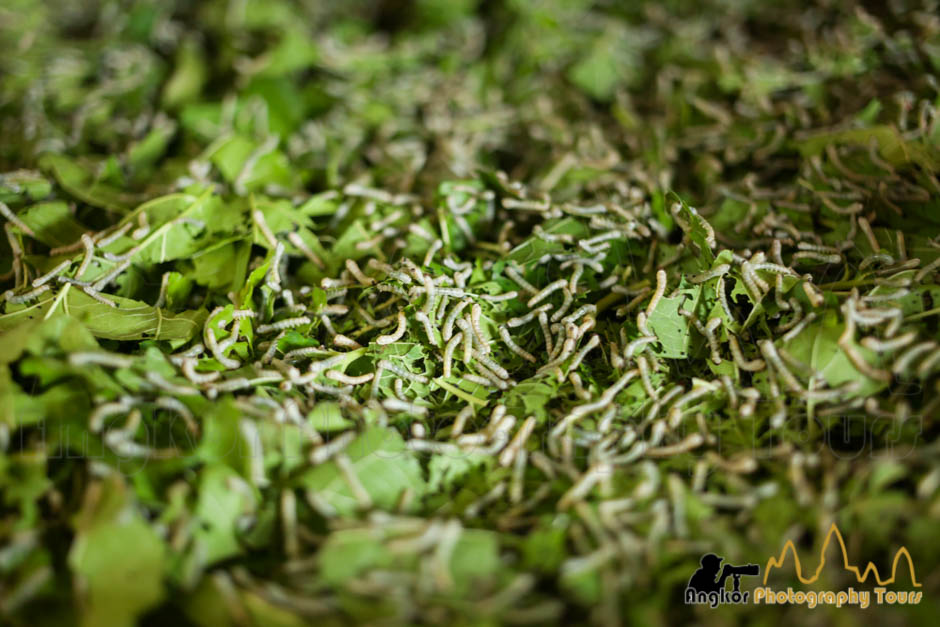
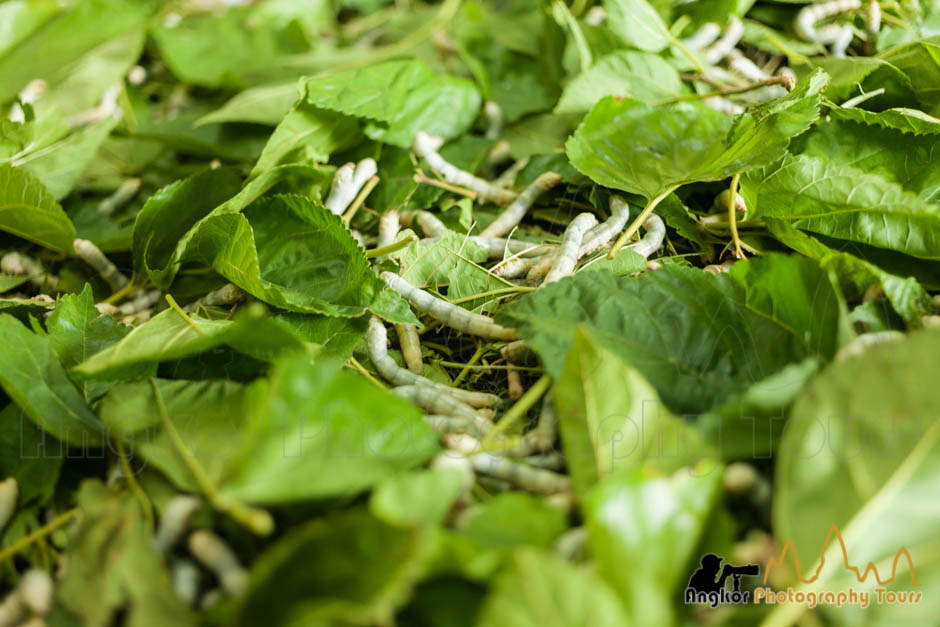
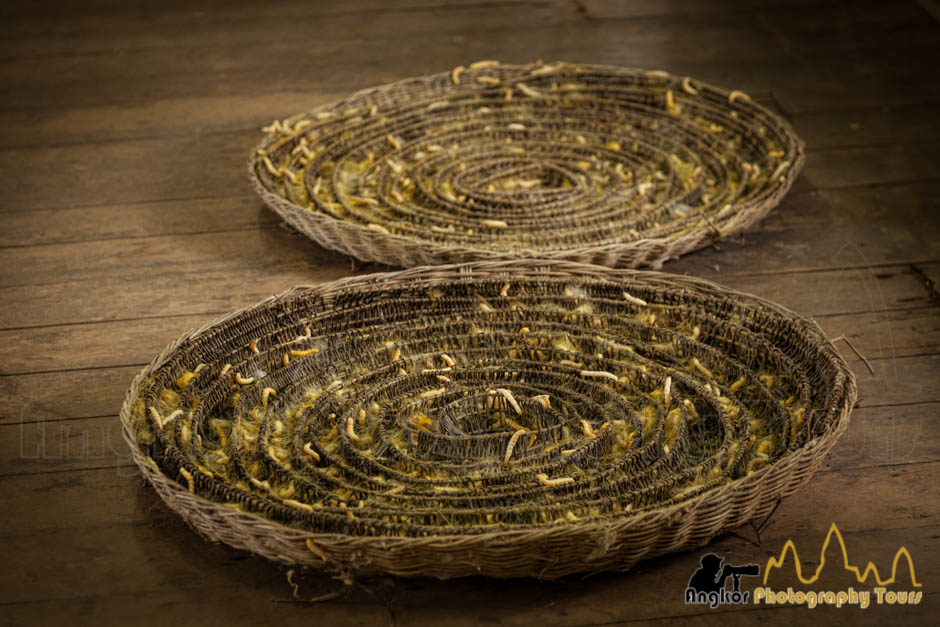
The silkworm life cycle begins when an adult moth lays hundreds of tiny eggs on mulberry leaves, which hatch after about 10 days into larvae that feed continuously on those leaves, undergoing several molts over 25–30 days before spinning a protective silk cocoon around themselves. Inside the cocoon, the silkworm transforms into a pupa over 10–14 days, after which the adult moth emerges — a non-feeding stage focused solely on mating and laying eggs to restart the cycle. On a silk farm, maintaining a healthy moth population requires careful management of this entire life cycle, running as a parallel operation alongside silk production, since harvesting silk typically means collecting the cocoon before the moth has a chance to emerge.
Angkor Silk Farm | Capturing the Soul of Cambodian Silk with your camera
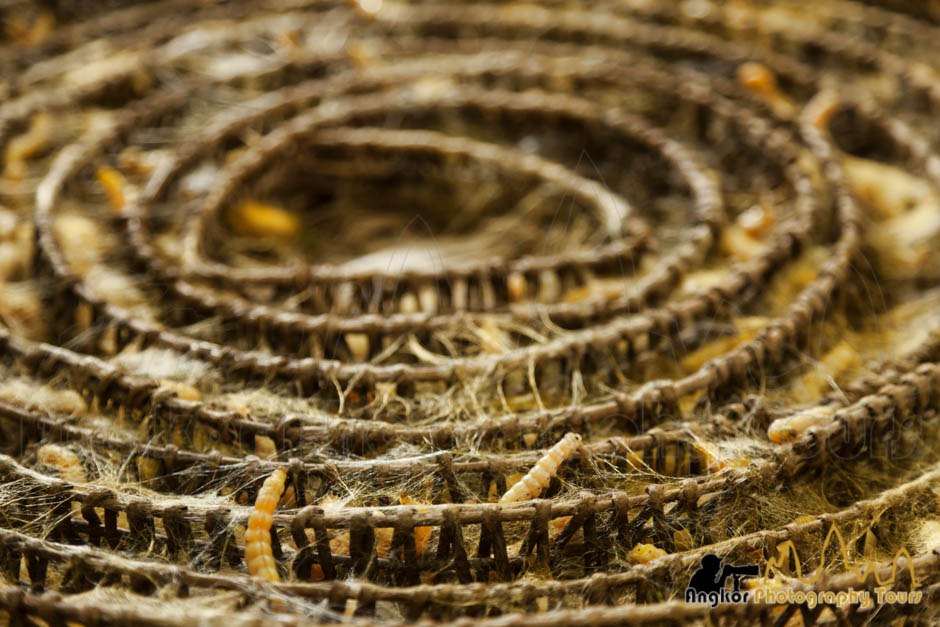
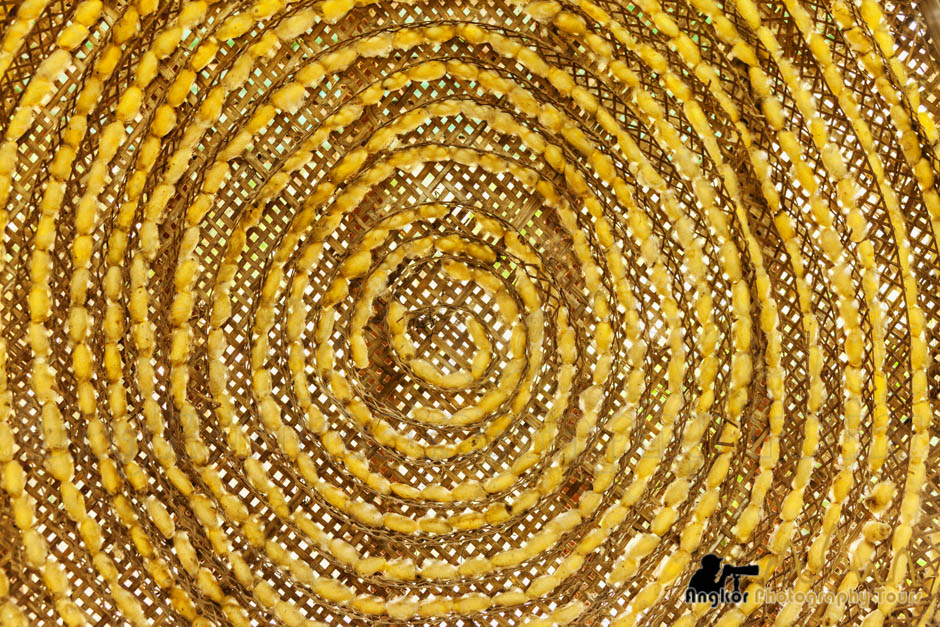
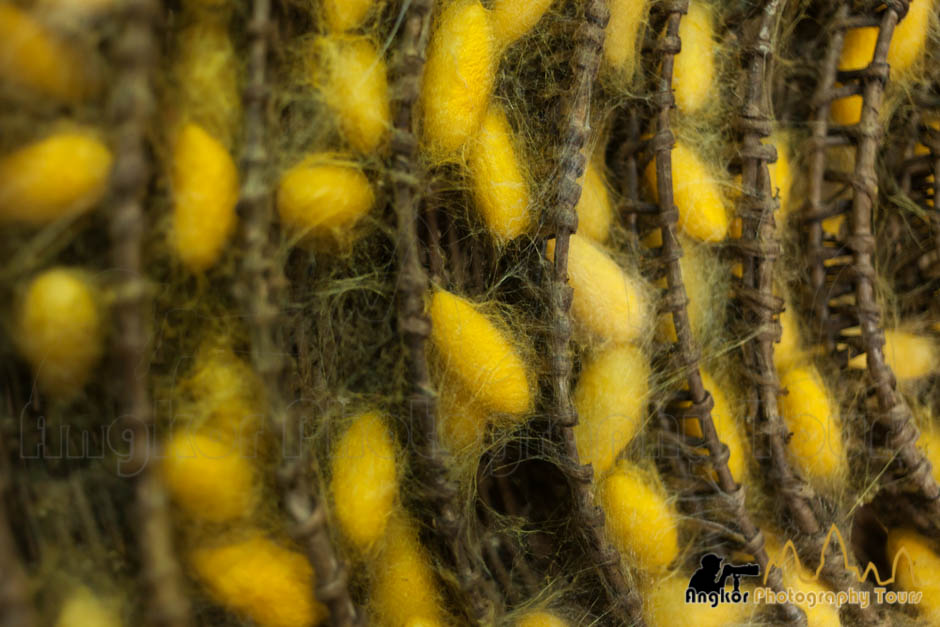
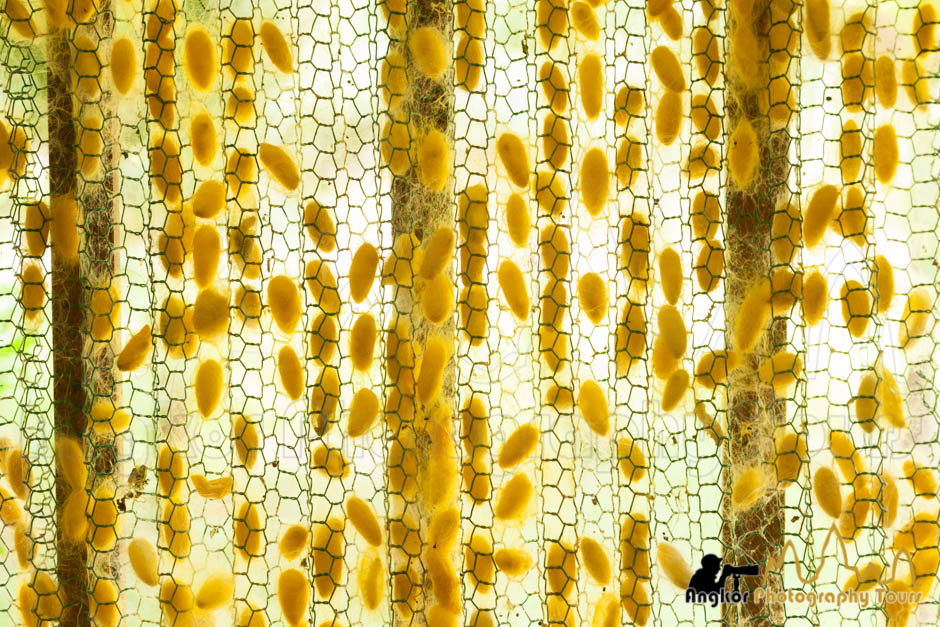
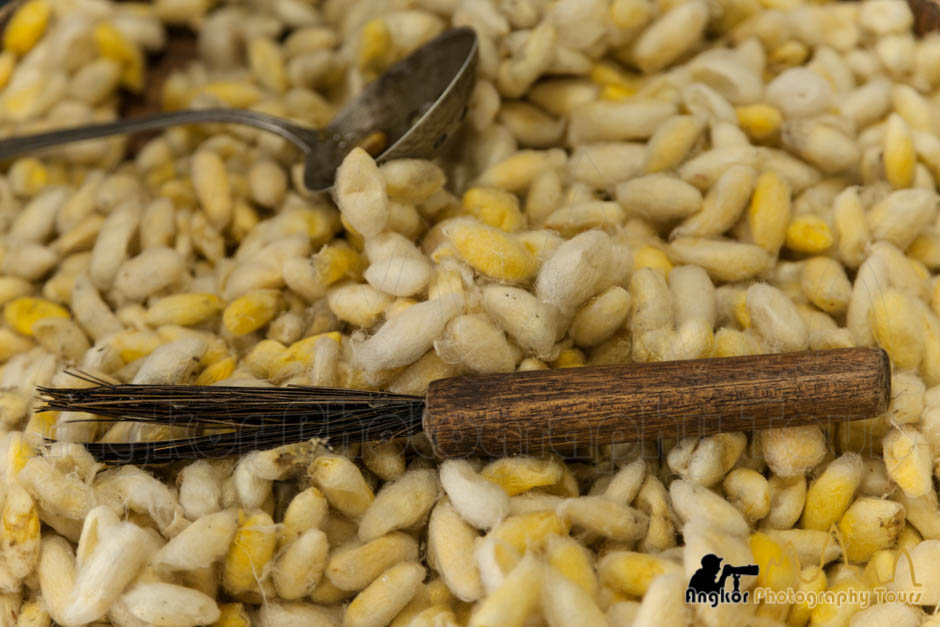
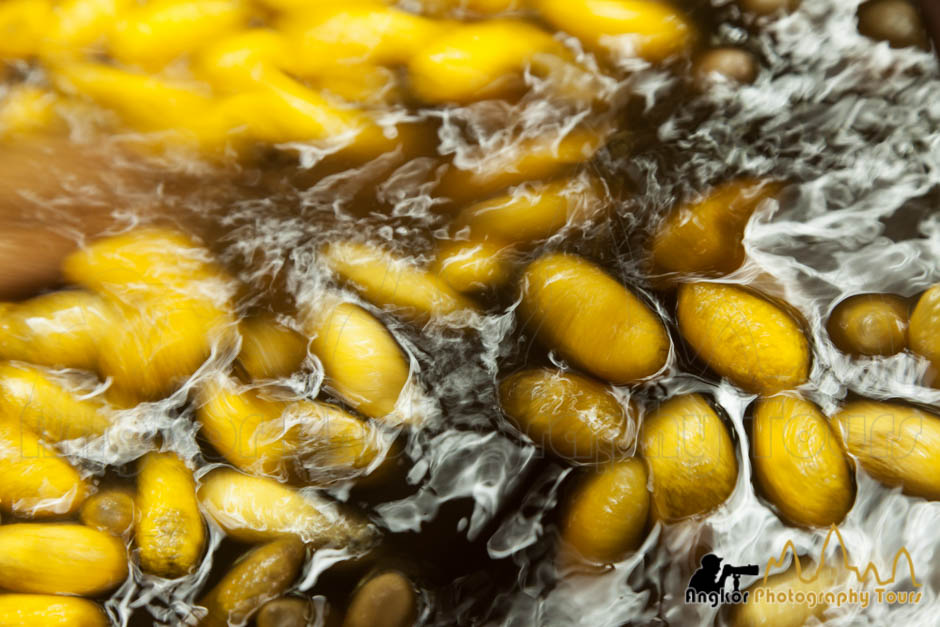
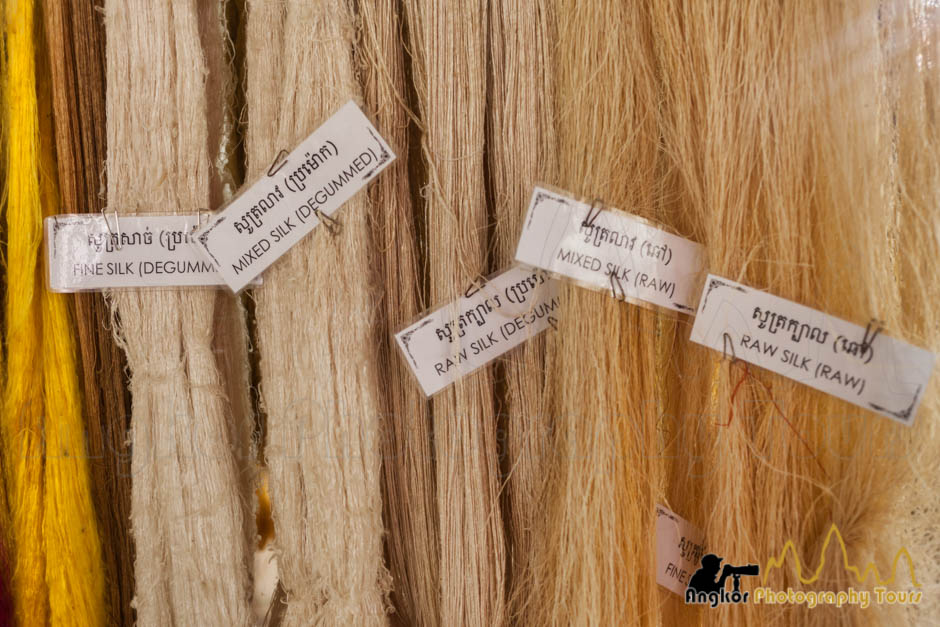
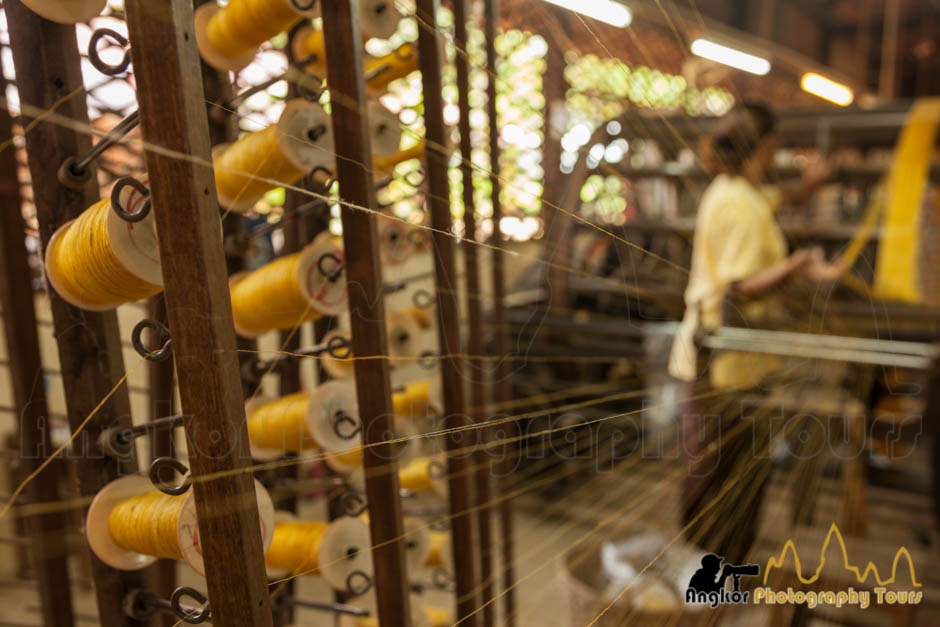
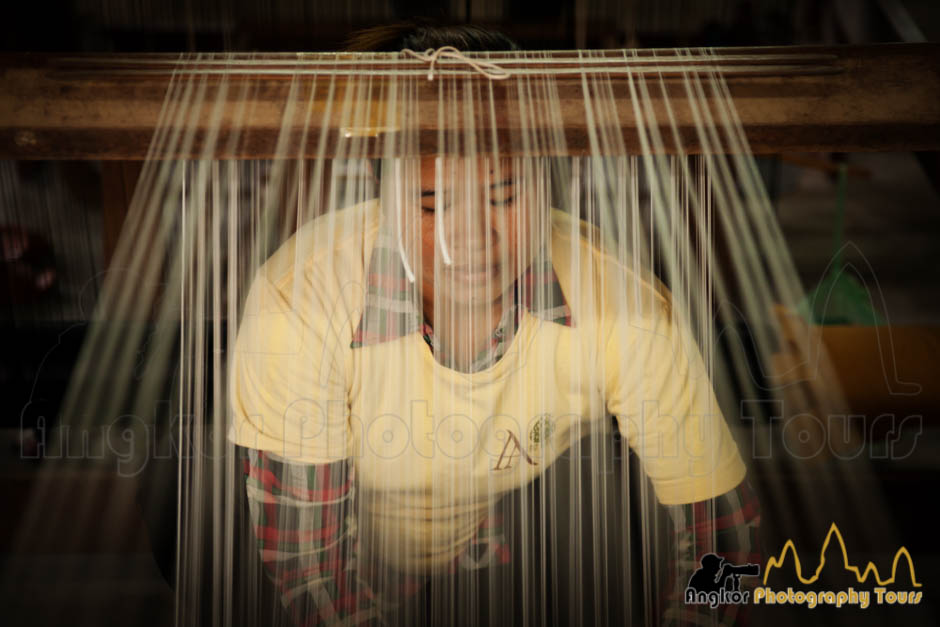
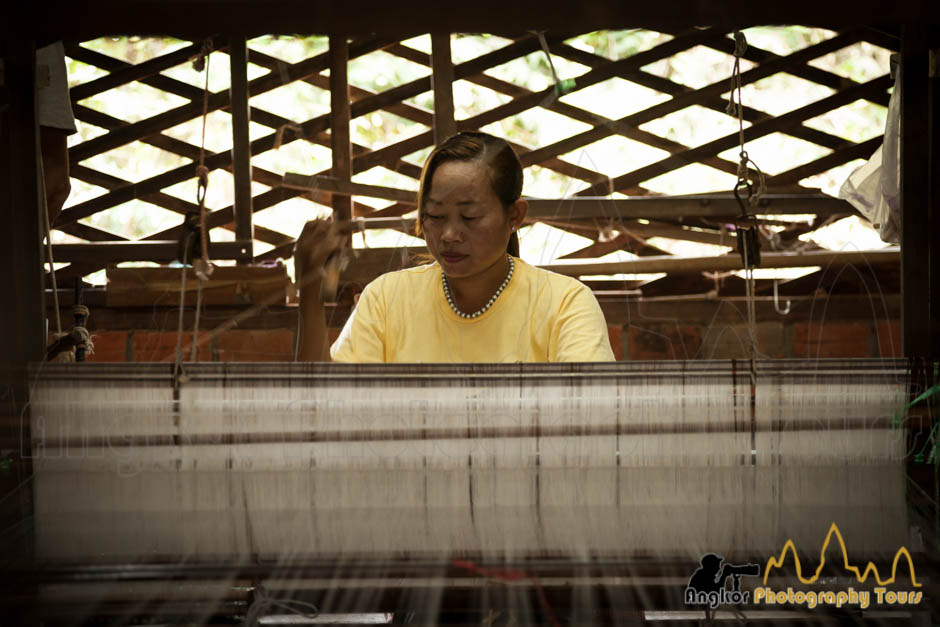
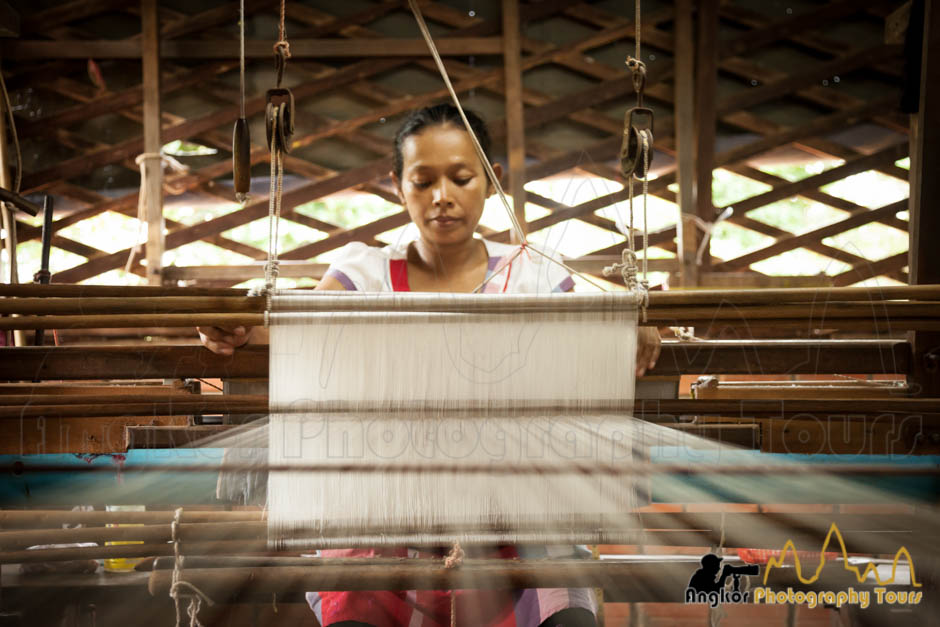
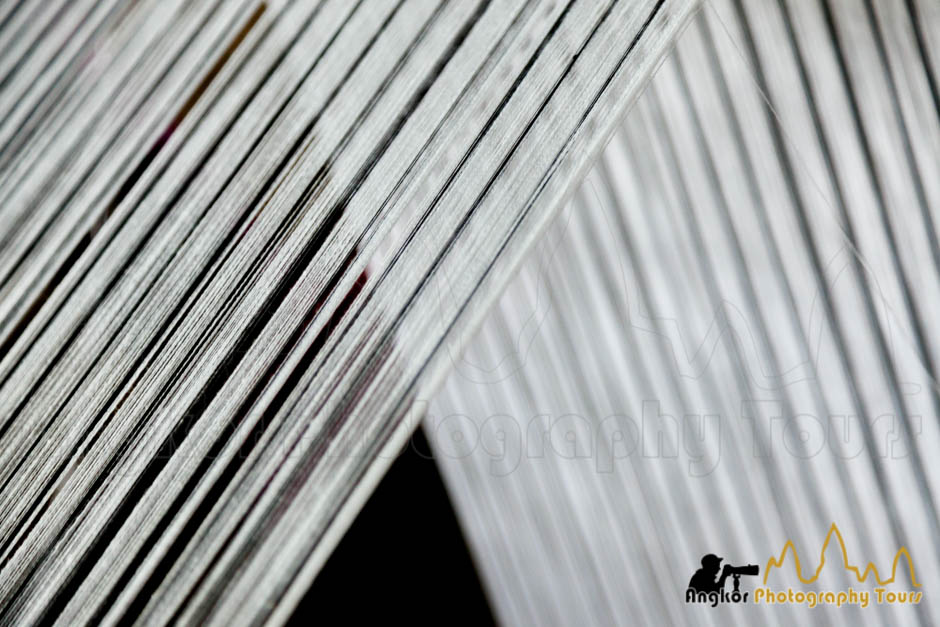
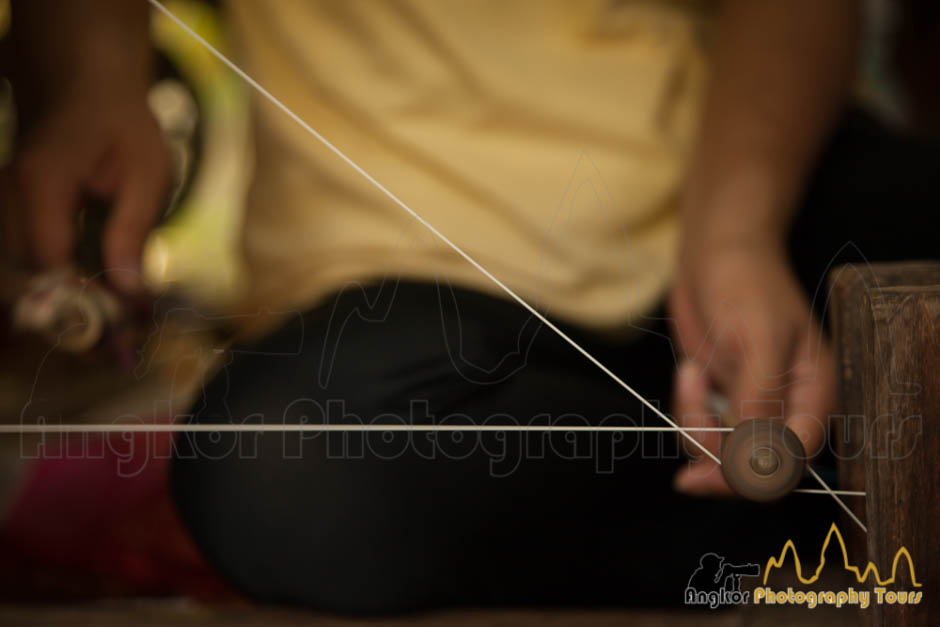
Fifteen kilometers away from Siem Reap, just before the small city of Puok, you can visit the silk farm owned by Artisans d’Angkor. Entrance to the silk farm is free and it comes with 30-minute tour with a guide who will walk you through the different steps of fine silk production from the growing of mulberry plant to the work of the workers on the loom machines. Aside from being a very informative visit, it is a great opportunity to take pictures for the enthusiasts. Below are some pictures taken during the different stages of the silk production — from the nurturing of the silkworms to the weaving process. Taking pictures in the silk farm is quite challenging due to the fact that light is low for most parts of the production area and some objects are in motion.